









When Franklin Weingarten, a retired physician, enrolled in a clinical trial at age 84, he felt perfectly well. No symptoms, no warning signs, nothing to suggest anything was wrong. A blood test flagged a cancer signal anyway. It led doctors to diagnose a rare bile duct cancer — one with no routine screening test and typically discovered only after it has spread too far to treat. Because it was found early, surgeons removed part of his liver. Now 88, he is cancer free.
“If I had waited until I had any symptoms,” he said, “the disease would have been essentially incurable.”
His case is one of hundreds that have emerged from PATHFINDER 2, the largest interventional multi-cancer early detection trial ever conducted in North America — and results published this week in Nature Medicine suggest it may represent a genuine turning point in how we find cancer.
The Gap in Cancer Screening
We currently screen routinely for five cancers: breast, colorectal, cervical, lung, and prostate. The problem is that the cancers we can’t screen for cause around 70% of cancer deaths. Pancreatic, ovarian, liver, and bile duct cancers — among the deadliest — are typically discovered only when a patient develops symptoms, by which point treatment options are often limited or gone entirely.
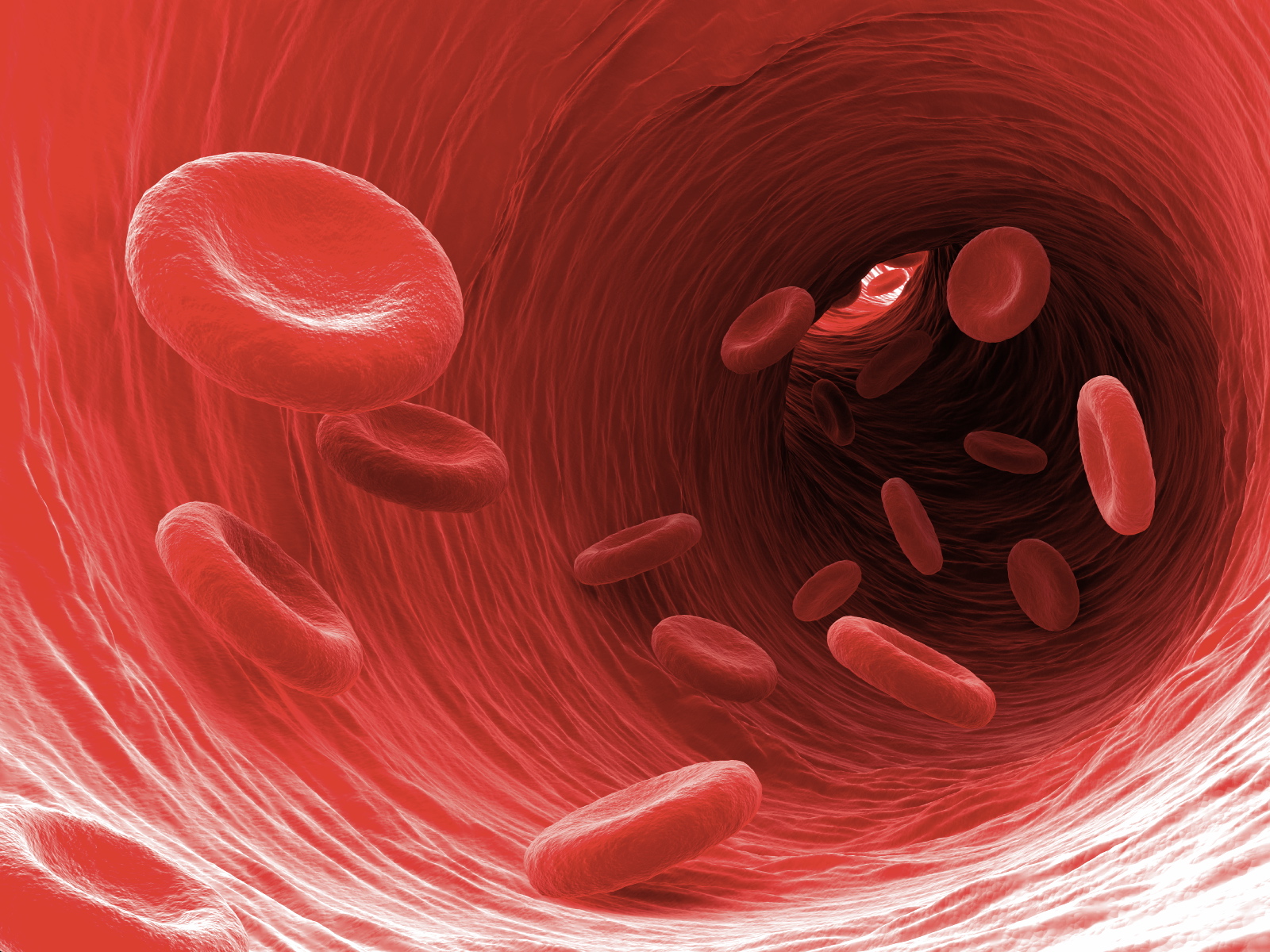
GRAIL’s Galleri test is designed to close that gap. A single blood draw analyses cell-free DNA circulating in the bloodstream, using a machine-learning algorithm to detect chemical patterns that distinguish healthy cells from cancerous ones. It screens for signals across more than 50 cancer types simultaneously.
What the Trial Found
PATHFINDER 2 enrolled 35,878 adults aged 50 and older across the US and Canada. The results are striking. Adding Galleri to standard cancer screening increased the total number of cancers detected through screening by 6.5-fold. Of those newly detected cancers, 70% were types that have no national screening recommendations — exactly the deadly, hard-to-find group that conventional medicine has no routine way to reach.
Critically, nearly half the cancers detected by the blood test were caught at stages 1 or 2, and nearly three quarters at stages 1 through 3 — the windows when curative treatment is most often possible. The test correctly identified the cancer’s location in the body 91.3% of the time, allowing clinicians to focus follow-up investigations efficiently rather than casting wide and invasive diagnostic nets.
The false-positive rate was just 0.36% — a figure the lead investigator emphasises is not accidental. The test was deliberately designed for high specificity. When Galleri returns a positive result, there is at least a 60% chance a cancer will be found — an order of magnitude better than many traditional screening tests.
Real Patients, Real Consequences
Bart Dawkins, 68, received a positive signal that led to a diagnosis of early-stage liver cancer. Because it was caught when it was, he remains a candidate for curative treatment including, potentially, a liver transplant. “Catching Bart’s cancer at the stage we did is what allowed him to be a candidate for curative therapy,” said his physician. “Early detection didn’t just find the cancer — it preserved his options for a cure.”
These are not isolated anecdotes. They reflect a consistent pattern across the trial: cancers that would ordinarily have remained invisible until symptoms forced a late-stage diagnosis, found early enough to treat.
The UK Evidence
PATHFINDER 2 was not running alone. A parallel randomised trial across the UK’s National Health Service — NHS-Galleri — enrolled nearly 140,000 participants, with results published simultaneously in the New England Journal of Medicine. That trial did not achieve a statistically significant reduction in the combined number of stage 3 and 4 diagnoses overall — but its secondary findings were notable. Across 12 of the deadliest cancers, stage 4 diagnoses fell by more than 20% in the second and third rounds of screening, alongside a marked rise in cancers found at stages 1 and 2, and an overall detection rate roughly four times higher when the blood test was added to standard care.
The explanation for the mixed primary finding, researchers suggest, is that any first round of population screening sweeps up a hidden reservoir of asymptomatic cancers that have been quietly accumulating — including stage 3 cancers that were never previously detectable. Finding those cancers at stage 3 rather than stage 4 is not a failure. It is the point.
What Happens Next
The PATHFINDER 2 results were presented this week before an FDA advisory committee reviewing evidence for potential approval of the Galleri test. If approved, it would be the first multi-cancer early detection blood test to receive FDA clearance — a milestone with profound implications for how cancer screening is structured.
Further studies are already underway. The REACH trial is evaluating annual multi-cancer blood testing among Medicare beneficiaries. The INFORM study will assess the test in people with inherited cancer risk or strong family histories — delivered through telehealth and mobile testing to reach communities that standard clinical infrastructure doesn’t serve well.
“We’re at a watershed moment,” said lead investigator Nima Nabavizadeh. “The promise of finding dozens of cancers through a single blood test is real — but promise isn’t proof, and rigorous clinical trials are how a technology like this earns its place.”
The proof, it seems, is arriving. For the patients who enrolled, some of them unaware they were already ill, it arrived just in time.